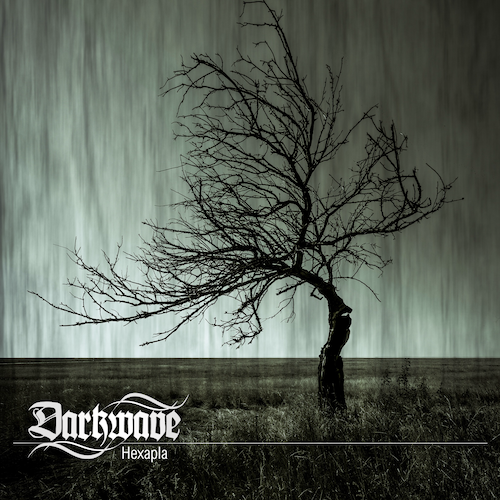
On the first birthday of Hexapla

Sometimes we don’t even realize, how fast time flies: Hexapla, my debut album was already released one year ago. On such remarkable occasions people used to draw meaningful conclusions and make bold statements, but I just want to quickly summarize the milestones of this amazing journey from “Day 0” to today.

I don’t even know when “Day 0” was. Maybe it was back in the 80’s, when I got my first small acoustic guitar from my parents and started to make horrible noises with it (I even tried to invent some home-made distortion equipment for the poor thing, but of course I failed…). Or maybe “Day 0” was sometime around 1990, when I first joined a band. It was a different era at a different place with different people around me, and naturally the music I envisioned then was slightly – but not fundamentally – different from the music I make today. I can’t remember anymore much of the details, but back then my musical creations were rather slow and melancholic. Later these compositions gradually developed into a strange mixture of a Nightwish-type of opera metal combined with Nevermore-like brutality. They didn’t really have a specific, well-defined style, but one thing was certain: the rhythmical foundations of thrash/death metal were already there. I’m also aware of the formative effect of those musicians (mainly – but not exclusively – guitar players) whom I loved and admired already in the 80’s and early 90’s: they are still my greatest favorites even now. While experimenting with various styles and techniques, I quickly realized that playing in a band won’t work for me: first my studies at the university and later my profession made the daily routine quite unpredictable. Still, the desire of creating and playing music was always there.

Although my own “Day 0” seems now to disappear in the gloomy shadows of my past, “Day 0” for Hexapla was probably the day when I first experimented with a Digital Audio Workstation (DAW, a software for sound recording, engineering, mixing, and mastering). I quickly realized that my musical concepts can be implemented even without playing in a band, just by recording guitars track by track, then adding bass lines, programmed drums, and orchestration. Some would say it’s a suboptimal way of creating and playing rock/metal music, but I must clearly disagree on that point. The pros for this solitary process are the independence and the compromise-free nature of the whole creative flow, while the cons are the exclusive responsibility for every small details, and the enormous amount of energy that must be sacrificed on the altar of running a one piece band. While it certainly feels somewhat lonely to do everything alone from creating drum tracks to guitar solos, orchestration, mixing, mastering, and promotion, I wouldn’t easily give up this kind of independence and freedom. I don’t even feel sorry that I had to let the vocals go (originally, I wanted to write songs with lyrics and vocals, but soon I realized that my own “natural habitat” is instrumental metal music).

Although Hexapla was born in August 2021, I started to write the backbone of the songs already more than a year before. Several people asked me, what made me to give such a strange title to the album – and to be honest, I never gave a decent answer. But now I will. The truth is that earlier I wrote lots of poems that I initially intended to develop into song lyrics. When I started to think about the concept of my first album, I had six poems in mind enlightening one well-defined topic from six separate viewpoints. And the topic was a long (almost fifteen years ago) lost friendship: the slow but – as it later turned on… – inevitable process of mutual estrangement from someone whom I’d truly admired and taken care of. As I slowly realized that I’m quite uncomfortable with envisioning and writing vocals, I started to experiment with expressing feelings and thoughts exclusively through music, without the help of lyrics – and thus, the original idea of incorporating texts in my musical creations slowly slipped out of focus. I think this was another milestone in the formative process of Hexapla.

I, then, started to experiment with various DAWs and ended up with Steinberg’s excellent software, Cubase – and this was the point when I (sometime in December 2020, during the second COVID lockdown in Hungary) first recorded my fragmented ideas and incorporated them into an increasingly uniform concept. The songs started to show their own individual character – and I wanted them to reflect those feelings that I originally hoped to express in those early poems. Hexapla remained (as it was originally planned) an album of six songs, and the six-fold translation of the Bible by Origen of Alexandria in the third century seemed to a strange but still appropriate parallel to my six-fold musical description of those multitude of feelings.

Well, this is the story of my first album in a nutshell – I hope you guys don’t mind if this post managed to be a little longer than usual. Happy birthday to Hexapla, and many happy returns!
Basic toolkit for a self-promoted musician

Based on the title of De Quincey’s excellent book (Confessions of an English Opium-Eater) I thought it would be fun to create a blog entry with the title of “Confessions of a Hungarian Self-Promoted Guitarist“). However, finally I found the idea too much and a little constrained, so I chose a much less pompous heading for such a brief blog entry on this rainy Sunday evening. I don’t want to whine much about the hardships of being an independent artist: I think there are more pros than cons here, and I find it clearly refreshing that I don’t have to adjust myself and my music to the momentary needs of the music industry and market. So I stay on the positive side and enjoy my independence.

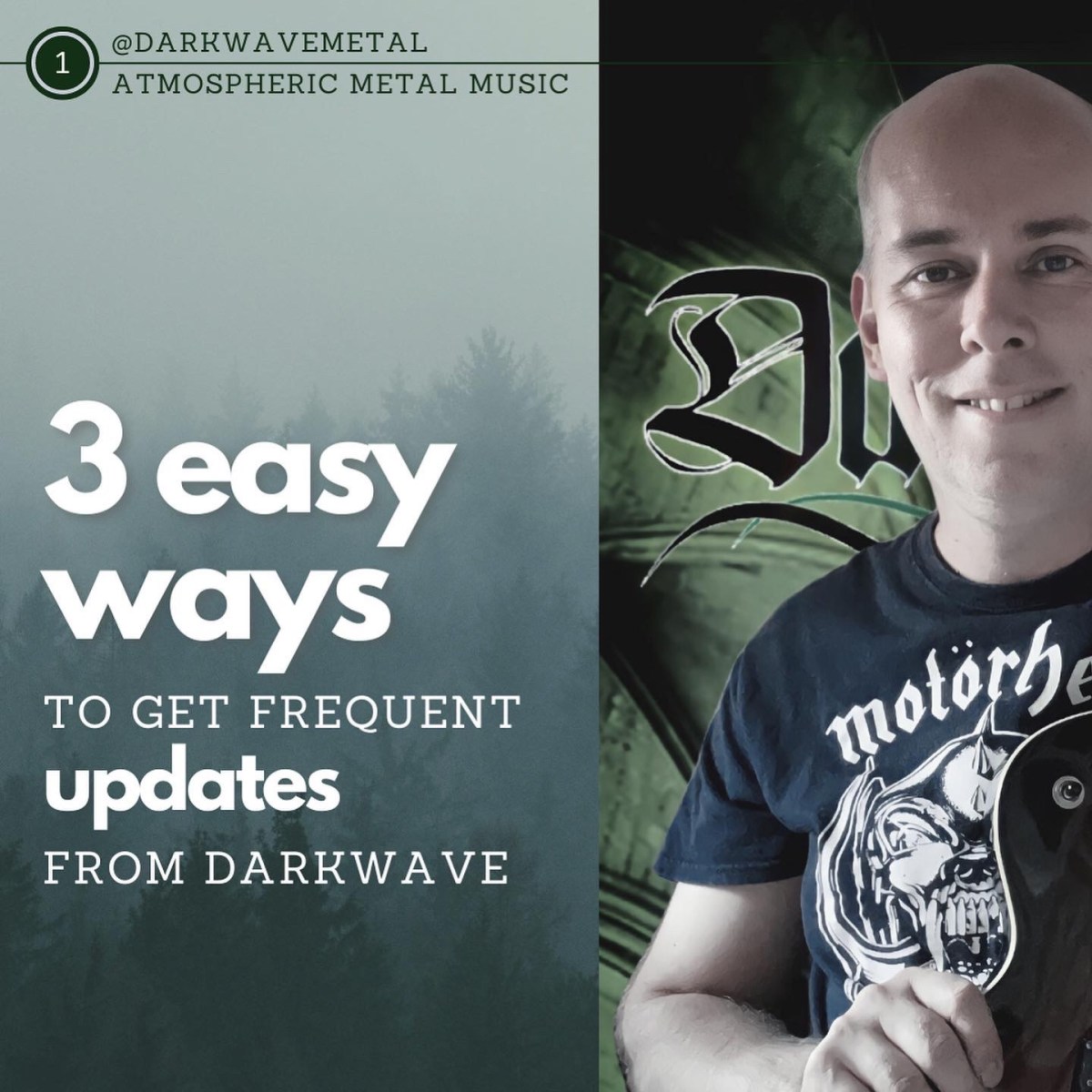
Still, it’s always good to let the world know that I still exist and do stuff that people may eventually like. I, therefore, made a small promo presentation for my Instagram page using a very handy app called Canva. The presentation is practically a carousel of infographics with uniform design and condensed information on how to find me and my various weblinks. I’ve never done something like this before: it was fun and took quite some time, so I’m really curious about the outcome.

Check it out here (or below, by clicking on the images) if you are interested in such presentations, and let me know, what you think!

The first 50 followers on Spotify!

“Success is nothing, if you don’t have the right people to share it with; you’re just gonna end up lonely.” (Selena Gomez)

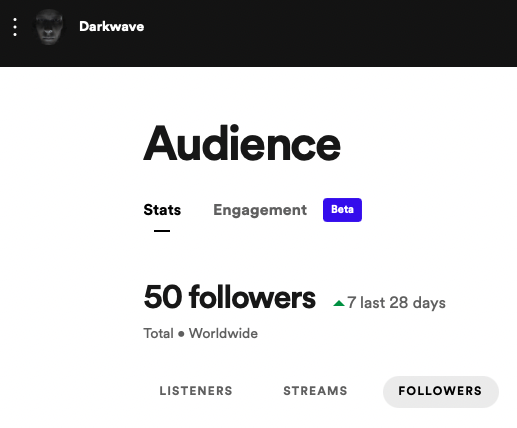
I’m not particularly proud of it, but I hadn’t known much about Selena Gomez before I read this quote from her – but I must admit that it really hit me hard. You guys – the inner circle of my Darkwave family – are those who have been following me from the very beginning of my journey on this vast ocean of music on various platforms according to your personal preferences, habits, tastes and needs. The wide variety of these platforms and networking possibilities made it necessary to create a common connecting point: a website, where we all can meet and share news with each other. And the big news for today is that Darkwave now has no less than 50 followers on Spotify!

This is an important milestone for me (no, there’s nothing symbolic in this number, but still, I find it a remarkable checkpoint!) and I know very well, what does it mean. It means that I found at least 50 dedicated listeners in that specific corner of the world of music, who share the same taste, artistic ideas and vision on music like me. Probably there are even more, but I consider 50 followers on Spotify – where you must practically fight even for the slightest attention – a great achievement, and I’m truly grateful for that. And what is more: if my favorite theory depicting music as one of the most sophisticated ways of building bridges between different persons is right, then my music started to accomplish its duty of building those bridges.

You guys hopefully know well, how grateful I am for the support that comes from each and every one of you! Going back to the quote from Selena Gomez: you are the right people to share my joy with. Thank you for traveling with me on this exciting and inspiring journey!

The Art of Authenticity: Rethinking Success in Music

I recently came across an interesting article on Thomann’s Facebook page about writing good songs. Thomann, one of the world’s largest musical instrument retailers, shared insights into creating music that resonates with listeners. While the piece was enlightening, it also reinforced a realization: if the goal of songwriting is commercial success, then everything I’ve done so far has been an endless series of mistakes.

There’s a common belief – especially among classically trained musicians – that self-taught artists like me lack the necessary foundation to form valid opinions on these topics. However, I firmly believe that one doesn’t need degrees or certifications to have a meaningful perspective on art and music. After all, music is ultimately about expression, not just technical mastery.

The article provided a fascinating breakdown of human psychology and how musicians can leverage it. According to the author, a catchy song should be no longer than 3–3.5 minutes, have a clear and predictable structure, and feature an engaging bridge after the second chorus. It should emphasize the opening, middle, and ending moments to captivate the listener. While these principles undoubtedly contribute to mass appeal, they also imply that music should be meticulously designed to fulfill expectations rather than existing as an organic, free-flowing form of expression. Under this framework, the artist is essentially a strategist, carefully crafting songs to meet predefined criteria.

With all due respect, I see things differently.

If we remove commercial success from the equation, what remains is pure artistic intent. As someone who balances music with a full-time career in neuroscience, I have the luxury of creating without financial pressure. This allows me to focus solely on artistic authenticity rather than catering to trends. That said, independent musicians – perhaps even more than their mainstream counterparts – long for connection and appreciation. The challenge is breaking through the overwhelming noise of today’s music industry. Yet, despite this difficulty, I see independence as both a privilege and a responsibility. I know my lengthy instrumental prog/thrash compositions are niche, but I also know there are listeners out there who seek exactly this kind of music. Your presence here is proof of that.

Music, and art in general, should not be reduced to a formula for popularity or profit. Of course, musicians deserve compensation for their work, but the primary focus should always be on originality and finding the right audience – not on adapting to whatever is trending. Art is not a competition to be won. It’s not about being faster, louder, or more technically impressive than those who came before. Nor should it be a mere reflection of current tastes, designed for mass consumption at the cost of individuality. Art should retain its intrinsic values, regardless of its reception.

For me, music is the purest and most powerful form of human communication. It does not need to be complex, technical, or fit within predefined structures to be meaningful. What matters most is authenticity. As Oscar Wilde famously wrote, “Be yourself; everyone else is already taken.” If that means my songs don’t conform to the three-minute radio-friendly format, so be it. If my music doesn’t follow the conventional verse-chorus structure, it’s not because I’m trying to revolutionize music theory – it’s simply because that’s not how my ideas naturally emerge. Writing music with the sole purpose of increasing listener numbers or maximizing algorithmic reach feels hollow to me. Instead, my goal is to connect with those who truly resonate with my music. And for that, I’m incredibly grateful to you for being here.

Someone once said, “If you can’t achieve great things, achieve small things in a great way.” I would rephrase this: Art is already great in itself. You don’t need to be widely recognized or commercially successful to partake in that greatness. The act of creating is enough. If you give your all, there will always be people who appreciate it. Trying to capture attention without authenticity results in sterile, soulless music. It may be lucrative, but it will never fulfill art’s primary purpose: to connect people on an emotional, intimate level.

If my music ever fails to achieve that, then I’d rather set my guitar aside.

But I truly hope that’s not the case.

Incredible success for Agnus Dei!

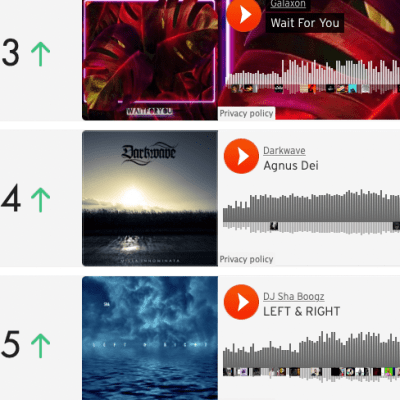
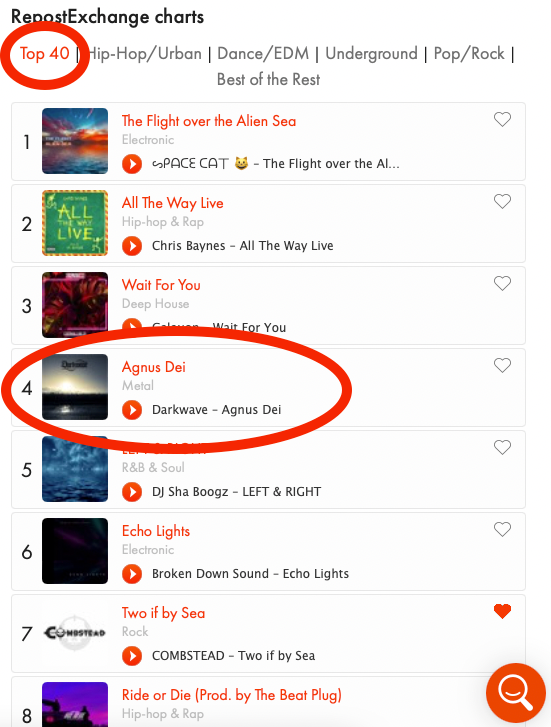
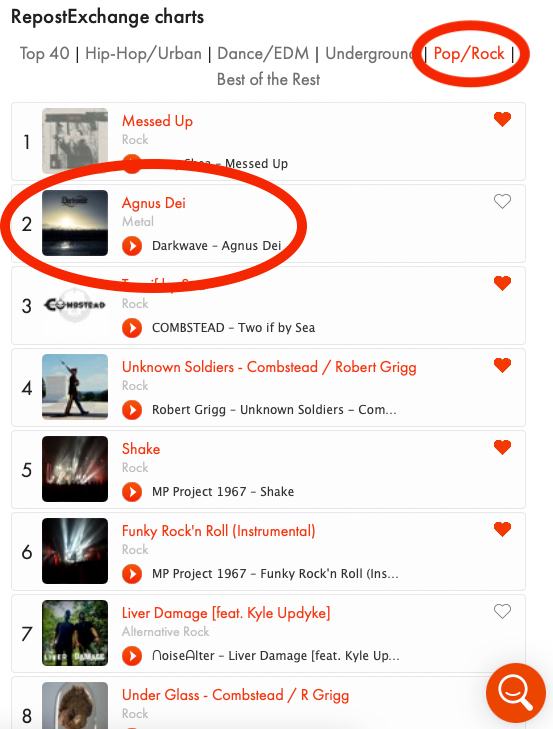
I hope it’s still not boring to read these posts, but I want to share my joy with you guys: today (06.06.2022) Agnus Dei is on the fourth place on the RepostExchange Top40 chart, and second in the Pop/Rock category! It’s an unbelievable success for a self-promoted independent artist, and I’m totally grateful for everyone who made it possible!

Videos

Thank you for the feedback on how to improve this site! It seems that you guys would like to see more videos from me, so in the future I’ll try to film a couple of riffs and solos for you! I will share them both here and on my YouTube channel – but as I try to keep this website as the center of all my activities, I will arrange all these video files into a separate section here, too.

Thank you for your feedback and support!

Agnus Dei is killing on the Re-Ex charts

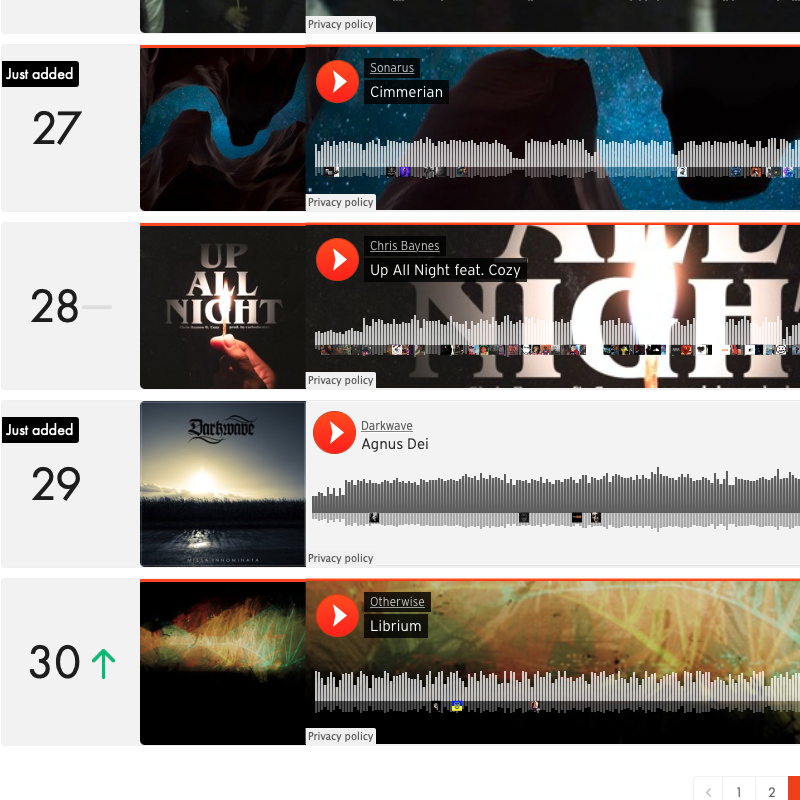
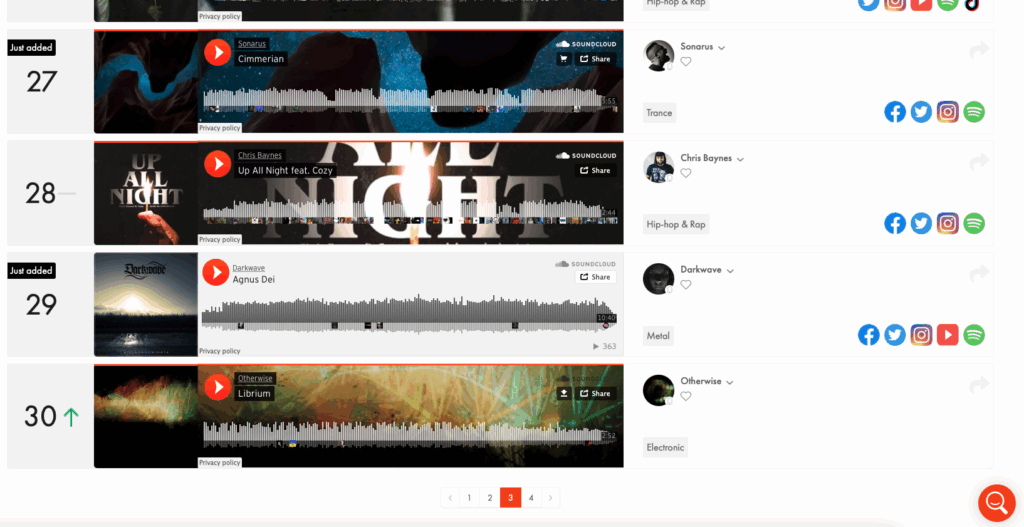
SoundCloud has always been a great place for sharing music and building a lively community of musicians and music enthusiasts. RepostExcange by SoundCloud is a tool for distributing and promoting music and an excellent way to get feedback from other users. As it is stated by SoundCloud that “Re-ex chart positions are based on quality ratings from other members. This is more than a popularity contest“, I feel extremely honored that Agnus Dei is making waves not only in the Pop/Rock Top 40 (place 9 today, on the 3rd of July), but also in the Re-Ex Top 40 chart, a cumulative chart for all SoudCloud users belonging to various musical genres – it’s on place 29 today!

On feedback, encouragement and art

It’s been almost one month since Missa Innominata came out, and I feel like writing a short summary on this exciting period of time.

In contrast to the previous one, I decided to promote this release on various online platforms like Facebook or Instagram, and this little promotion campaign resulted in a rise in numbers of streams, listens and followers. I, however, seriously think that there is one single thing, which is even more important than the numbers regarding the reception of my album(s): the direct feedback of the community – family, friends, music enthusiasts, followers, and in general everyone, who feel like connected in any way to me or to my music. Therefore, first of all I would like to thank all of you who dedicated your precious time to my previous and recent albums and gave them a listen – I really appreciate your support! I’m extremely grateful for your comments, likes, reposts or any kind of your feedback: please, always be aware that without this constant encouragement it would have been very hard for me to maintain my original impetus and stay focused and motivated. Thank you for being here and walk this path with me!

Also, (as many of you know) SoundCloud provides a great opportunity to comment, repost and numerically rate songs for everyone – so besides the aforementioned “direct” ways of getting feedback from people visiting my website, subscribing to my Spotify or YouTube channels, or checking my Bandcamp page, this is a great opportunity for getting further feedback from random listeners, too. And I must admit that reading these comments was also a heartwarming experience – not to mention the overall scores of my songs that are currently varying between 8.5 and 8.9 out of the maximum 10. All in all – at least based on these initial reactions from supporters and random listeners – Missa Innominata performs well; and this is something that makes me feel grateful, happy, and – I must admit… – proud, too.

Art (at least how I see it…) is a bi-directional process: l’art pour l’art (at least in its purest form) is something unacceptable for me. Painting a picture or writing a sonata just for the sake of the creative process itself seems to me somewhat insufficient, somewhat out of focus. Without doubting the fundamental value of finding joy in creative processes, I see art basically as a powerful tool to transfer feelings, emotions and messages from person to person: a channel connecting people in a very intimate and emotional way. When words fail, music speaks – and in this context it can sometimes be the only chance for us to transcend our limitations and finiteness. Music gives us a chance to fight a heroic struggle against the separation of human from human, and a weapon to combat the sometimes so evident overall sadness of the mortal human existence. That’s why it’s always so touching to see your visits and likes on my pages and read your comments: these simple and very important signs of your presence are those momentums that constantly remind me that I’m not alone on this journey of transmitting feelings through the channels of metal music. There are always people “on the other end of the line”, and my messages (it may sound weird to mention “messages” in the context of instrumental music, but still: my messages are my feelings that I try to express in my musical creations) are heard.

Thank you for being here in our little, but constantly growing community. Thank you for inspiring me and giving me the chance to create and transmit musical messages that would otherwise remain pointless, locked inside the hard drive of a computer in my home.

Two songs, one chart

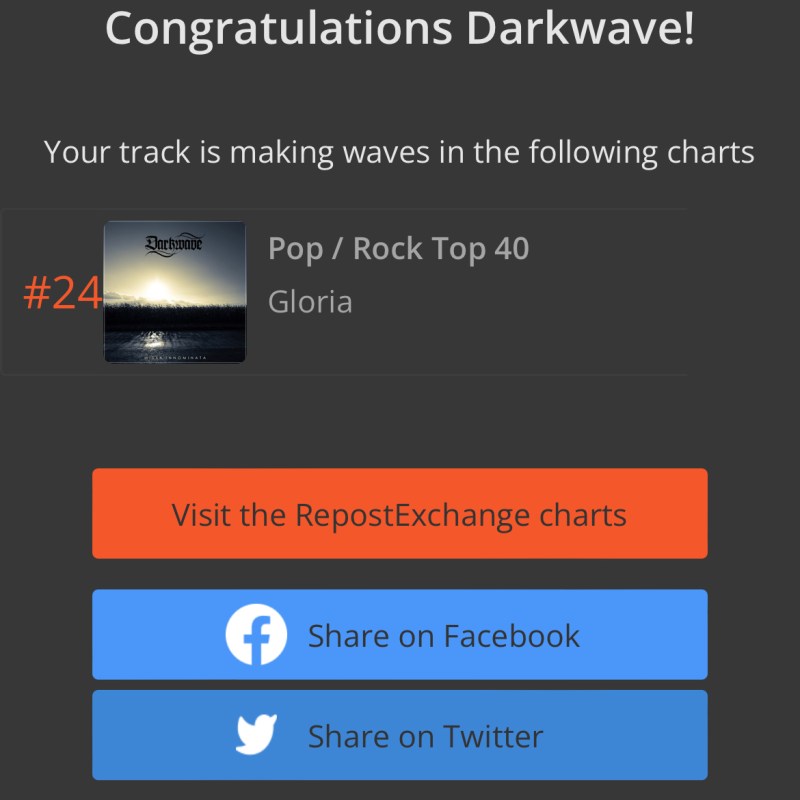
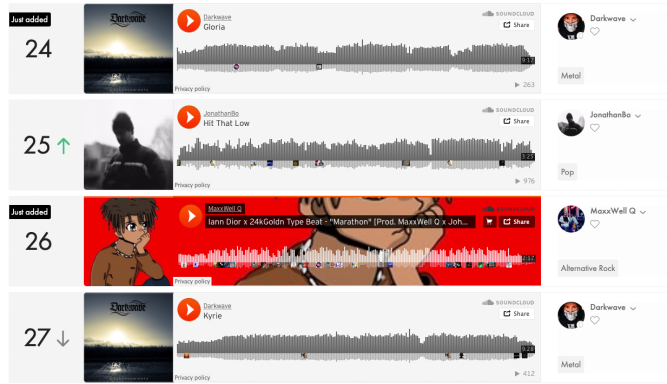
That moment, when two of your songs (Kyrie, Gloria) reside on a chart at the same time…! It’s a great feeling, tbh.