2. Blood-Sealed Solitude

In the blackened silence do I learn to see,
The stigma marked on sleepless foreheads deep,
A brimming cup of life pours down on me,
We drift through velvet in the night’s dark sweep.


Betrayed at dawn by weeping, golden light,
In holy-painted fields we lost our way,
And angels tread the frost on plains of white,
Where fate’s dim shimmer rises into day.

Exile entwines us, binding chain to chain,
In strangers’ temples we are the cornerstone,
Unworthy still of mercy for our pain—
Tears are the gift of pure and brave alone.

At last, within each other’s solitude,
At last, with blood, we seal our interlude.

1. Gaslight Elegy

The streets lie somber, silence softly spreads,
between the houses drift the shadowed dead.
Their spectral bodies on the firewalls sprawl,
beneath the gaslight’s dim, funereal pall.

The shadows sweep in long nocturnal rows,
this papier-mâché town in stillness grows.
House silhouettes — a temple’s rigid frame,
burn vaulted scars into the eyes again.

A memory-book, its stanzas etched in glass,
where tear-streaked lives across the pavements pass.
In one brief glance I’m seized and drawn inside,
entombed in grief where fleeting phantoms hide.

For I could vanish, having now believed,
that life still blooms where archways half-conceived.
Beneath the paint, her melting face unveiled —
it finds me, takes me, buries me, ensnared.

The Search for What Endures – The Road to a Credo

The philosophical journey of Evanescent Horizons unfolds through a series of increasingly deeper questions.

  1. It begins with a personal one: “What does one do with love when there is nowhere left to direct it?”
  2. As the story progresses, this gives way to a broader question: “Does love retain its value when it is not reciprocated?”
  3. From there, the album expands beyond the realm of relationships altogether: “Are there things whose worth exists independently of recognition, usefulness, success, or reward?”
  4. And finally, it arrives at its deepest question: “Is there any value that is eternal?”

The album does not attempt to prove its answer philosophically. Instead, it tells the story of a man who gradually comes to live as though the answer is yes.

He loses what he loves. He loses the future he imagined. He never receives the fulfillment he hoped for. Yet he ultimately discovers that genuine love is not validated by acceptance, nor diminished by rejection. Its worth does not depend on what it achieves.

By the end of the album, this realization becomes a conviction. The protagonist chooses to believe that love possesses an intrinsic value that transcends success and failure, life and death. The final answer of Evanescent Horizons is therefore not a logical conclusion, but a credo:

“If there is anything eternal in human existence, it is love itself.”

A Window Between Loss and Hope – The Cover Art of Evanescent Horizons

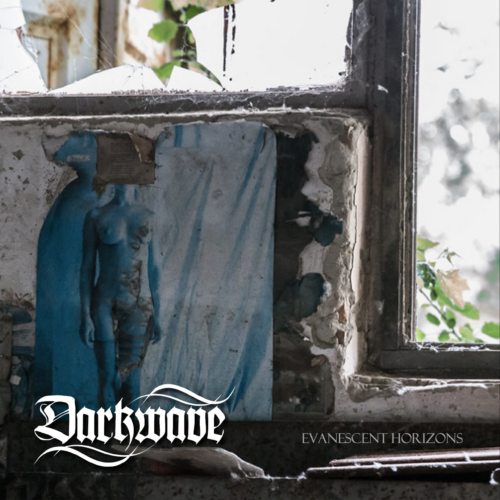
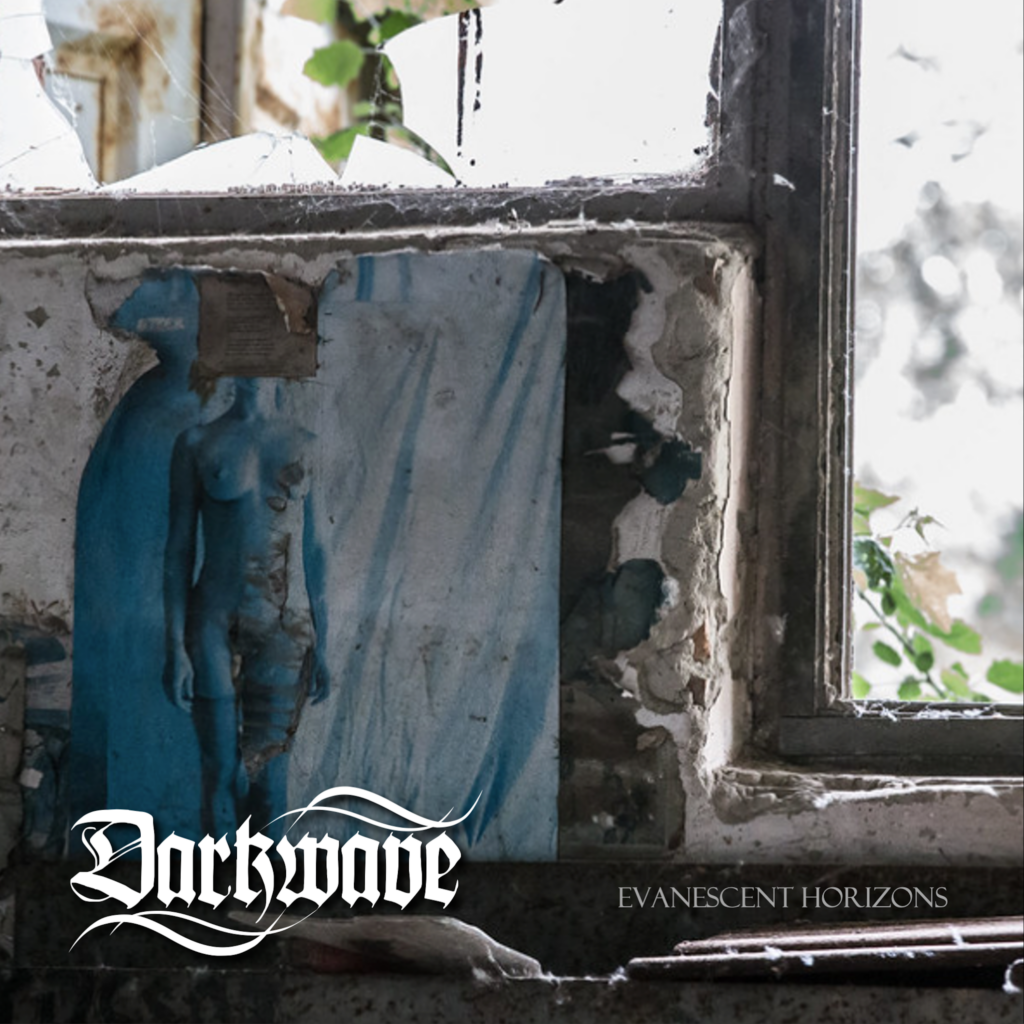
The cover artwork of Evanescent Horizons may seem somewhat unusual at first glance, but it reflects many of the album’s central themes. The photograph itself – as with all visuals accompanying Evanescent Horizons – was taken by my talented friend, photographer Dávid Ujhelyi. His remarkable eye for atmosphere and detail helped bring the album’s visual world to life.

The decaying industrial setting serves as a reminder of transience, deterioration, and the inevitable passing of all things. In many ways, it represents the point from which the album begins: the confrontation with loss, impermanence, and the realization that what we love cannot always be preserved.

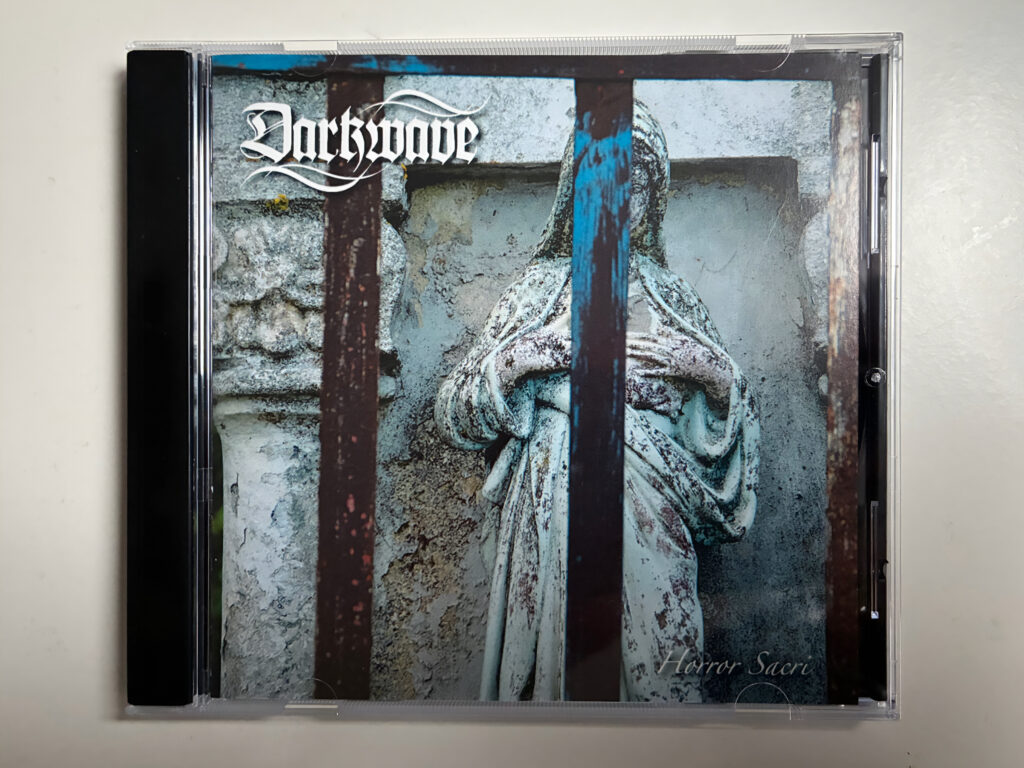
At the center stands a blue female figure whose presence intentionally echoes the cover of Horror Sacri. There, a similarly colored figure represented the Virgin Mary and reflected that album’s focus on the sacred and the transcendent. Here, however, the figure is simply an ordinary human being. She is naked, vulnerable, and her face is deliberately concealed. By removing her individual identity, the image suggests that the story told on Evanescent Horizons is not about one specific person, but about something universal. The woman becomes a symbol rather than a portrait.

The title itself points in two directions. The horizons are behind us as much as they are ahead. The blue figure establishes a visual connection to the previous album, looking back toward themes and questions that have accompanied Darkwave for years. At the same time, the image opens a path toward something new. Perhaps the most important element of the cover is the window. It stands between the decaying interior and the bright world beyond. In many ways, it represents a threshold: the place where loss, memory, and mortality encounter hope. Beyond the rusted frame there is only light. We cannot see what lies within it, nor does the image attempt to provide certainty. The horizon remains hidden. Yet its presence is unmistakable. For me, that light symbolizes hope: not as a guarantee, but as a possibility. Not as an answer, but as a direction.

The album ultimately arrives at a similar place. It does not eliminate loss, nor does it deny decay. It does not claim to possess final answers. Instead, it asks whether something meaningful can endure despite them. The bright horizon beyond the broken window remains unseen, but it is there nonetheless. In that sense, the cover artwork mirrors the album’s final realization: we may never fully see what lies beyond the horizon, yet we can still choose to walk toward the light.

You can also listen to the album here: 🔗 https://darkwave-metal.bandcamp.com/album/evanescent-horizons

Evanescent Horizons is now available for pre-order on Bandcamp

I have spent months living with these songs. Writing them. Rewriting them. Recording them. Questioning them. Trying to make them say exactly what I wanted them to say.

On the surface, this album tells the story of loss. At a deeper level, it asks a question that refused to leave me alone: “Are there things whose value remains intact even when they seem to achieve nothing?” That question became the heart of Evanescent Horizons.

The album will be released on July 15th, but if you pre-order it now, one track will be instantly available.Thank you for listening and thank you for walking this road with me.

🔗 https://darkwave-metal.bandcamp.com/album/evanescent-horizons

What Remains When Nothing Remains? — A Journey That Became an Album

For the past months, I have lived with an album.

Not merely worked on it – lived with it. What began as a collection of songs gradually became something much more personal: a journey through hope, loss, grief, anger, acceptance, and the search for meaning beyond them all.

I am happy to finally announce that my new Darkwave album, Evanescent Horizons, will be released on July 15th.

Musically, it is a blend of progressive and symphonic metal, enriched by orchestral arrangements, church organ, neoclassical influences, thrash and death metal elements, and a few unexpected detours along the way. At its heart, however, the album asks a simple question: “Are there things whose value remains intact even when they seem to achieve nothing?” That question became the thread connecting all eleven songs.

Evanescent Horizons is, however, not ultimately about loss and grief. It is about refusing to believe that love, kindness, loyalty, and sacrifice are valuable only when they succeed. At its heart lies the conviction that some things possess an intrinsic worth independent of recognition, reward, or outcome. The protagonist loses everything he once believed he needed, yet discovers that love remains meaningful nonetheless. In the end, the album is less a tragedy than a credo: a testament to the belief that some truths—and above all, love itself—endure even when everything else fades away.

Whether many people hear it or only a few, I know that this album represents the most honest expression of what I wanted to say at this point in my life.

I look forward to sharing it with you on July 15th.

More Than an Album

For the past months, I have spent countless hours working on a new Darkwave album. Writing, arranging, recording, re-recording, mixing, doubting, rewriting, and starting over. As I am finally approaching the finish line, I find myself reflecting on what this album truly means to me.

The songs themselves are new, but their roots are much older. Most of the lyrics began their lives as poems, written long before the music existed. They were born from loss, grief, anger, love, memories, and the slow process of learning how to let go. Turning them into songs of a concept album was not simply a matter of fitting words to riffs and melodies. It meant reshaping deeply personal texts so they could live and breathe within the language of metal music without losing their original meaning.

Throughout this process, I gradually realized that this album had become something more than a collection of songs.

It became a personal statement.

A testament to what I believe about the ultimate meaning of love in its broadest sense, loss, memory, and the human capacity to endure and to create meaning that transcends our mortal reality. It tells the story of descending from joy and hope into darkness, confronting pain, rage, despair, and the overwhelming weight of absence. Yet at its core, it is not a story about defeat. It is a story about learning to live with what cannot be changed, carrying memories that never truly fade, and discovering that acceptance does not mean forgetting. Some wounds remain with us forever, but over time they cease to define us. We learn to carry them differently, and in doing so, we find a way forward without betraying what we have lost. Throughout this journey, we gradually discover a deeper meaning that extends beyond our finite lives.

Perhaps the deepest question running through the entire album is whether selfless love (and by “love” I mean the original, broader sense of the word that encompasses all forms of altruism, not merely romantic affection) possesses an intrinsic value independent of its usefulness, recognition, or reception. Whether devotion, loyalty, sacrifice, and compassion carry meaning beyond reward or even acknowledgment. I have come to believe that they do. That genuine love is not validated by acceptance, nor diminished by rejection. Its worth does not depend on whether it is reciprocated, understood, or even remembered.

The story reaches its conclusion not through triumph, but through transcendence. The protagonist ultimately accepts his own mortality, yet the love that shaped his journey does not disappear with him. It endures beyond loss, beyond failure, beyond death itself.

The path toward that conclusion is far from peaceful. There are moments of fury on this album. There are moments of sorrow. There are moments when everything seems broken beyond repair. Yet I never wanted the final message to be one of hopelessness and meaninglessness. If there is a final message hidden within these songs, it is the belief that love possesses an intrinsic value that exists independently of human judgment. It remains real even when unanswered, meaningful even when unseen, and lasting even when everything else fades away.

I do not know how this album will be received. I did not create it to chase trends, algorithms, or commercial success. I created it because I felt compelled to. Because some stories demand to be told, and some emotions refuse to stay silent. Whether many people hear it or only a few, I can honestly say that I gave it everything I had.

This album is not merely music.

It is my personal credo.

When Classical Music Meets Metal

Sometimes music opens a door you didn’t even know existed.

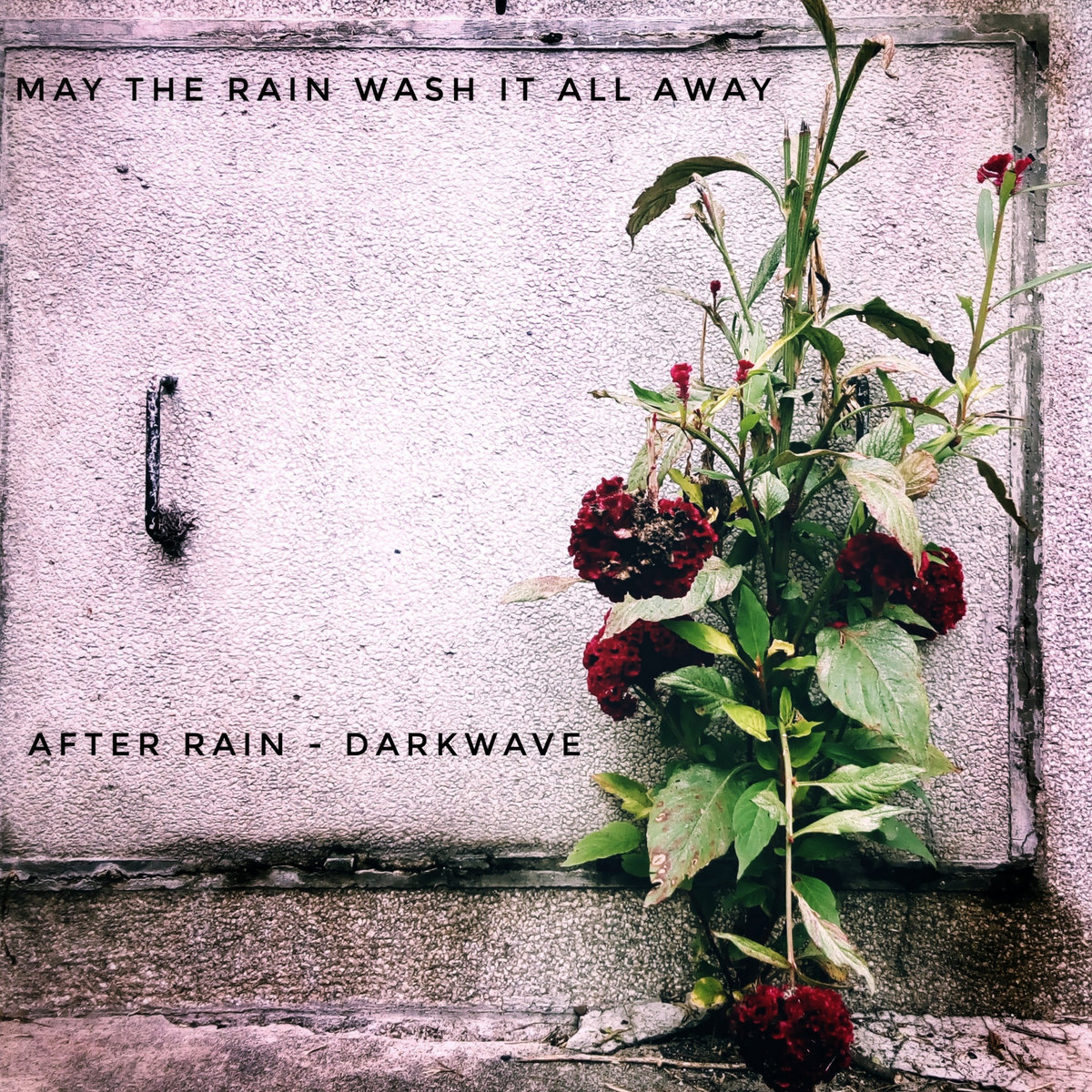
Recently I had the chance to collaborate with After Rain, an exceptionally talented classical composer from Guatemala, and the experience led me somewhere entirely new: bringing my metal guitars into a piece that was originally conceived as classical music.

The idea of merging metal with classical music has always been close to my heart. For years I’ve been fascinated by the possibility of creating a true synthesis between these worlds, following the footsteps of my greatest musical inspiration, Jon Lord. But until now, my approach had always been the same: I would write a metal piece first, and then enrich it with classical elements.

This time the process unfolded in the opposite direction.

The composition already existed as a fully realized classical work: its structure, harmonies, chord progressions, and rhythmic flow carefully woven into a deeply expressive piece of music. My task was not to reshape it, but to step inside it, to listen closely, and to find the places where the language of metal could naturally grow from its emotional core.

So I tried to set aside my usual ideas about how such a fusion should work and instead follow the inner logic of the music itself. Tight rhythms, massive guitars, and soaring solos gradually found their place within the composition.

As After Rain describes it on Bandcamp: “A powerful collaboration with Darkwave, blending my melancholic and heavy harmonies with his intense metal sound. A song born from despair, anger, and pain.”

While our musical backgrounds may seem strikingly different, I felt deeply connected to the original vision. My goal was never to overpower it, but to complement it: to let my own voice emerge through the guitars while remaining faithful to the spirit of the piece.

You can listen to the result here:
https://afterrain2.bandcamp.com/track/may-the-rain-wash-it-all-away-feat-darkwave

I hope you’ll enjoy listening to it as much as I enjoyed pouring my soul into this music.

The Usual Long Annual Summary

As 2025 is slowly drawing to a close, I find myself returning to a familiar ritual: writing a long, reflective summary of the year behind me. This is never meant to be a simple chronological recap. Instead, I try to focus on the moments that truly mattered — the turning points, the struggles, the breakthroughs — and on how they shaped me, both as a musician and as a person.

Without question, the defining event of this year was the release of my new album Horror Sacri on August 21st, exactly two years after Thanatology. In many ways, this record became a watershed moment for Darkwave.

For the first time, I approached songwriting with a noticeably different mindset. I invested far more time and conscious thought into composition than ever before. Rather than thinking in terms of individual “songs,” I aimed to create full-fledged musical compositions — closer in spirit to how classical music treats form, development, and emotional architecture. Each track was meant to encapsulate complex emotional states and layered ideas, even if that complexity sometimes pushed the music further than my earlier recordings ever did.

Sound has always been a deeply sensitive matter for me, and Horror Sacri was no exception — quite the opposite. I devoted an enormous amount of effort to mixing and mastering the album. Although my technical knowledge in these areas has grown significantly over the years, I wanted this record to surpass everything I had done before. This perfectionism inevitably delayed the release, but I have no regrets. Horror Sacri sounds exactly the way it needed to sound, and to my ears, it stands clearly above my previous albums in terms of sonic depth and clarity.

Yet the most important step forward on Horror Sacri had nothing to do with production at all. This was the first Darkwave album to feature vocals. After three purely instrumental releases, I began to feel the boundaries of that format closing in on me. There were emotions and thoughts I could no longer fully articulate without the human voice and without lyrics. I felt constrained — even caged — and instead of accepting those limits, I chose to step beyond them. It was, quite honestly, a leap of faith. I have spent decades developing my skills as a guitarist, reaching a point where I can finally feel confident in that role. Vocal performance, however, was entirely different territory for me. I had no comparable training, no safety net — yet I went for it anyway. And I believe it was worth the risk. At this point, I must also express my deep gratitude to my friends Freddie and Fati, who contributed guest vocals to two tracks on the album. Their presence added dimensions I could not have achieved alone, making the record richer and far more multifaceted.

Because of this, I felt it was essential to dedicate several posts not only to the music itself, but also to the lyrics — their meanings, origins, and personal significance. For me, the lyrical layer of Horror Sacri stands on equal footing with the music. I also shared broader reflections on the album as a whole, as well as track-by-track insights, allowing listeners a deeper glimpse into the inner world behind the record.

The international reception of Horror Sacri exceeded anything I had anticipated. The album was reviewed and featured by several blogs and music platforms, most notably by Rock Hard Italy, where it appeared in the printed magazine alongside an interview. Seeing Darkwave discussed in such a respected and long-standing publication was both surreal and deeply humbling. The album also performed strongly on SoundCloud, reaching prominent positions — and in some cases the number one spot — on RepostExchange charts.

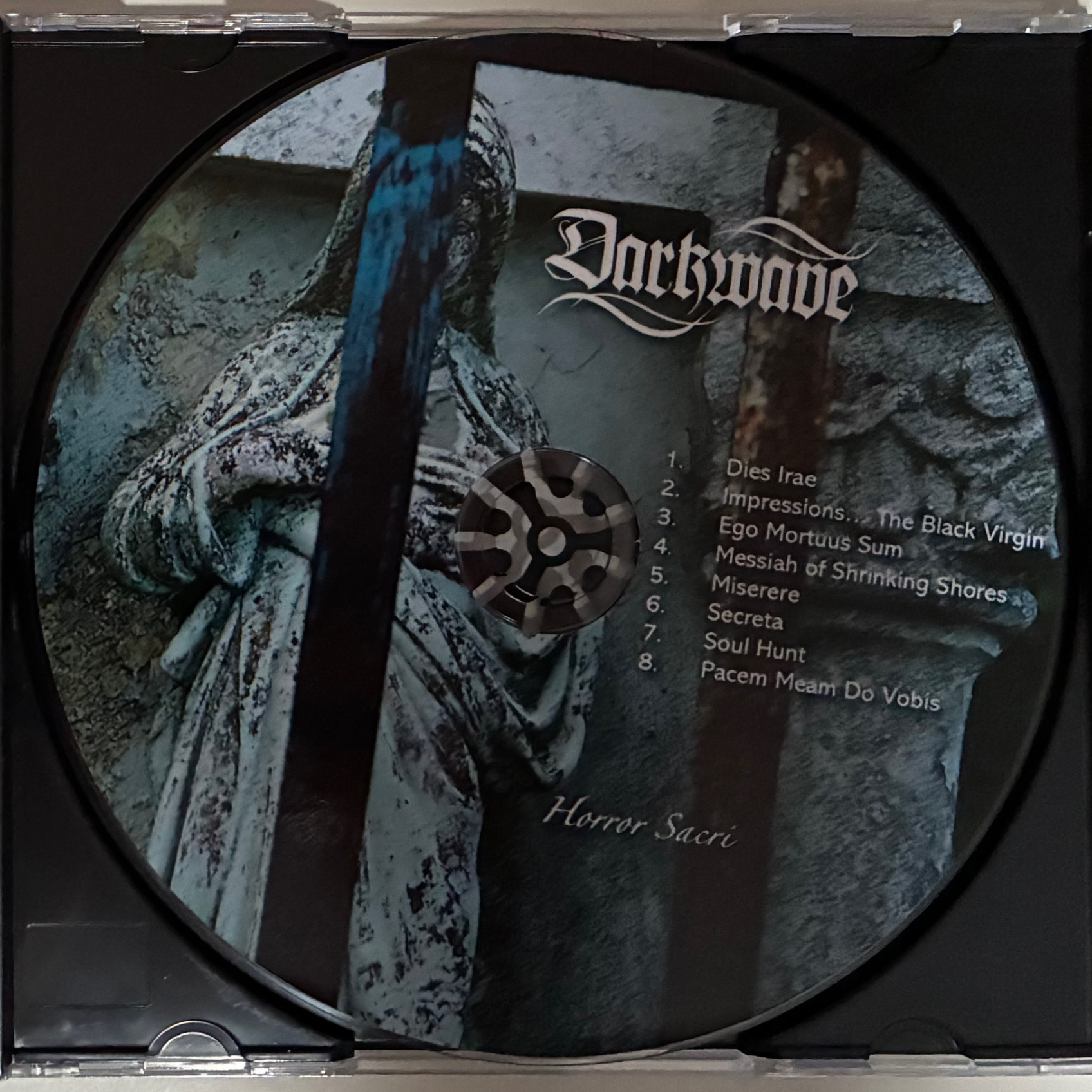
Just like Thanatology, Horror Sacri was also released in a limited physical CD edition. In an age of endless digital content, I still strongly believe in the value of something tangible — something you can hold, keep, and return to years later.

However, 2025 was far from being only about Horror Sacri.

Throughout the year, I was fortunate to participate in several collaborations across different genres. Stepping outside the boundaries of metal has always been important to me, and these projects allowed me to explore new musical languages. I contributed guitars to one of Eth Eonel’s Sonnets, a beautifully intricate piece blending metal, alternative music, jazz elements, and sophisticated harmonic structures. I also collaborated with French singer Ana Lyr on a cover of The Sorrowed Man by one of my all-time favorite bands, Nevermore. Additionally, my Swedish friend Freddie invited me to take part in several tracks by his synthwave project Terrorbit, where I happily added my guitar work to an already striking sonic universe. Beyond recording and releasing music, I was also invited to appear on a podcast, where I had the chance to talk not only about my long-standing admiration for Lacuna Coil, but also about Darkwave itself and the artistic path behind it.

As for the future — it is already taking shape.

Work on the next Darkwave album has begun, this time following a deliberately different creative process. I started the whole process by finalizing the lyrics before composing the music. I am currently recording an extensive set of demos, allowing the musical foundations to evolve organically over time. I revisit and refine these ideas again and again until they reach their final form. Only then will I move on to the definitive recordings, including the vocals.

Another major change is that I will not be handling mixing and mastering myself this time. Instead, I plan to collaborate with a professional mixing and mastering engineer, freeing up more time and mental space for songwriting and recording. I see this upcoming album as a kind of compendium — a distillation of everything I am and everything I have learned in music so far. Because of that, I refuse to rush the process. This record deserves patience, care, and absolute focus.

What can be expected from it? Dark, meditative, and deeply introspective lyrics, with a subtle but persistent flicker of hope beneath the surface. Musically, monumental and multilayered arrangements built upon progressive structures and thrash/death metal foundations.

To close this long annual summary of 2025, I want to express my heartfelt gratitude to all my friends, listeners, followers, and supporters. This may sound like a familiar closing line, but it is anything but empty. Your presence, your messages, and your support are a real and tangible driving force that keeps this project alive and moving forward.

Thank you — and see you in 2026!
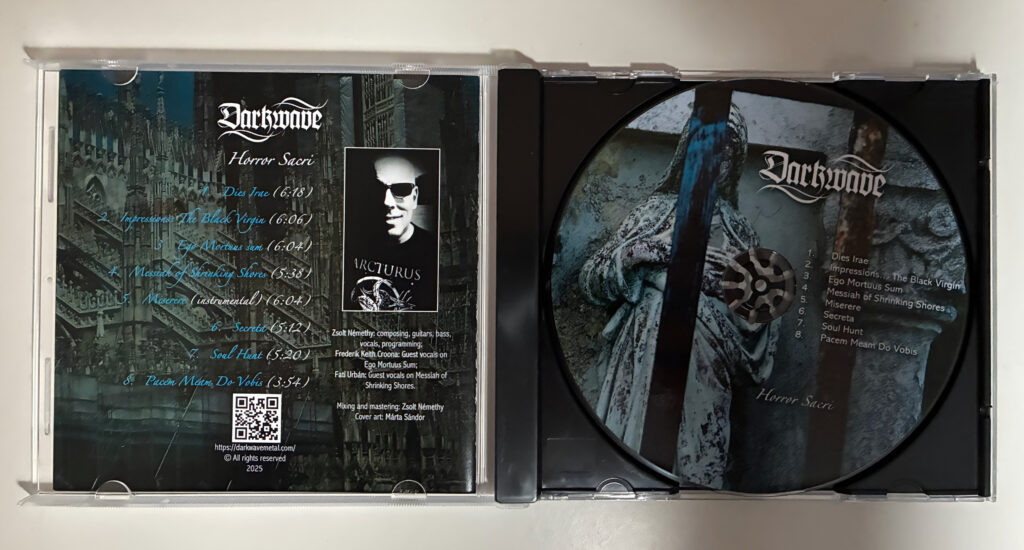
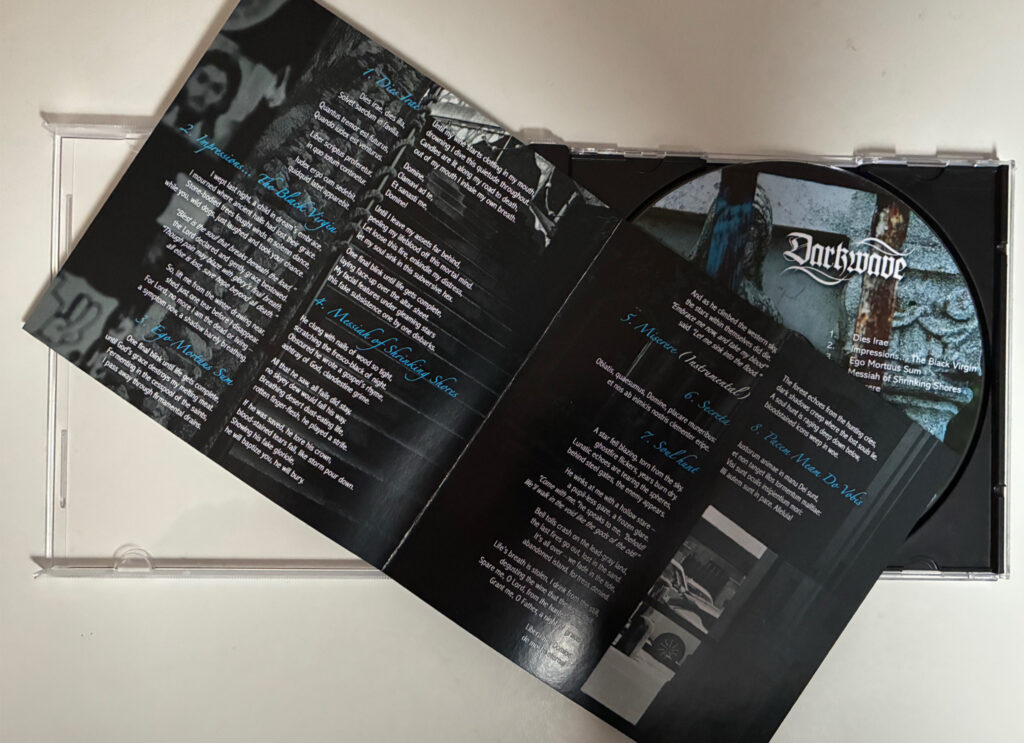
Horror Sacri – Physical CD Available from January 5, 2026

I’m happy to finally share that my latest album, Horror Sacri, will be available in physical CD format starting January 5, 2026, exclusively via my Bandcamp page.

Holding this album in my hands feels like closing an important chapter — and opening a new one at the same time. For those of you who still appreciate physical formats, this release is for you.

The price of the CD is €8.50 + shipping.

Please note that, unfortunately, shipping to the United States is currently not possible. Due to unclear and constantly changing customs regulations, the Hungarian Postal Service is still unable to ship packages heavier than a standard letter to the US.
However, the CD can be shipped to all other countries worldwide without any issues.

Thank you for listening, supporting, and being part of this journey — whether digitally or through physical copies. It truly means more than I can put into words.